The science of a good sear
Why a dry surface and a hot pan matter.
What browning is
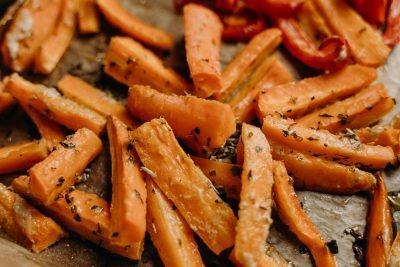
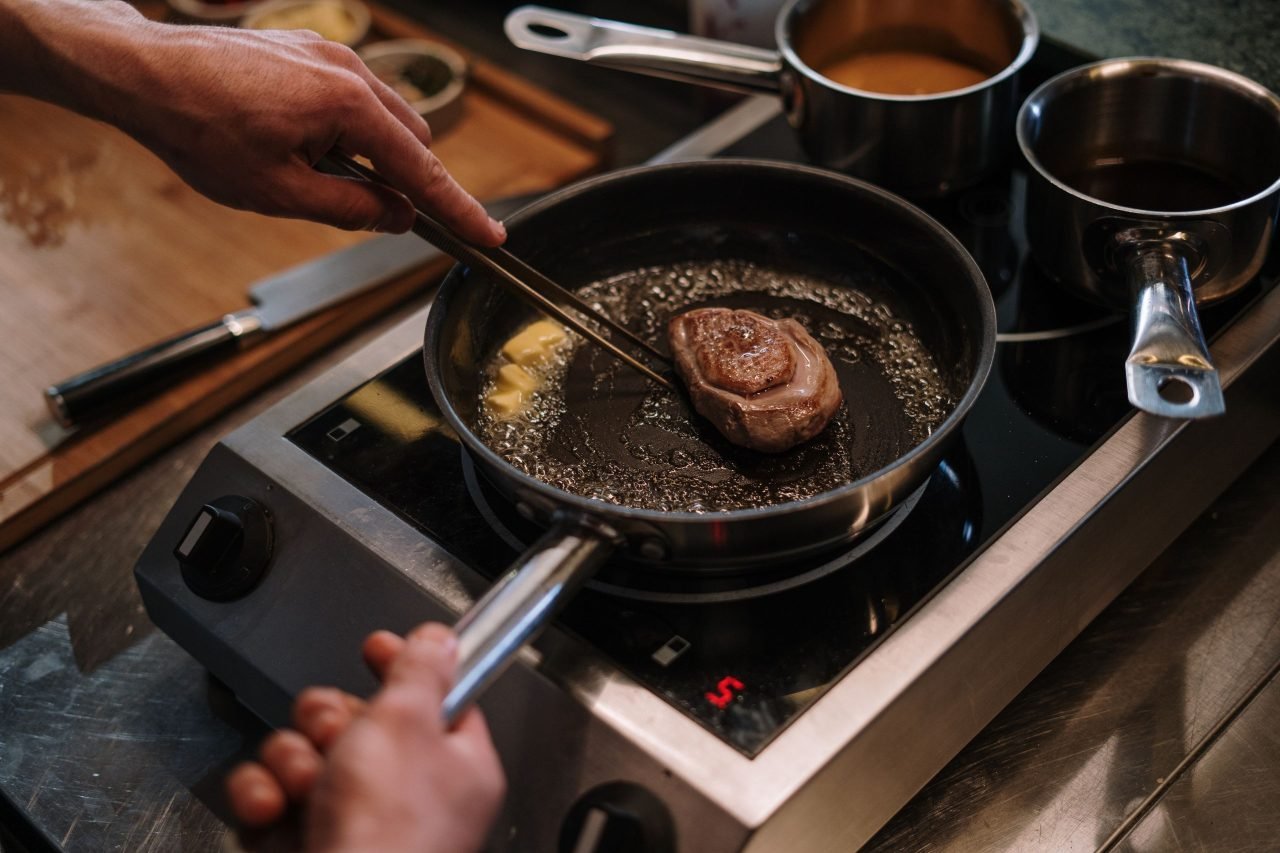
The deep golden crust on seared meat, crispy fish skin or charred leeks is a chemical change. Heat turns natural sugars and proteins into hundreds of new flavours. That is why browned food tastes richer than boiled food.
Browning needs heat above about 140°C. Water cannot get hotter than 100°C. So while the surface of the food is wet, it steams instead of browning.
Three rules
1. Dry the food well. Pat meat, fish and vegetables dry with kitchen paper just before cooking. Salting fish skin 10 minutes ahead and patting it again draws out even more water.
2. Heat the pan before the food goes in. Let the pan get properly hot first, then add the oil, then the food. The oil should shimmer and move easily.
3. Do not crowd the pan. Too much food at once cools the pan down and fills it with steam. Cook in batches, leaving space between each piece. It takes a few minutes longer but tastes far better.
Leave it alone
Once the food is in, do not move it. It will stick at first, then release on its own when a crust has formed. If you have to tug it, it is not ready.
What to do with the brown bits
The sticky brown layer left in the pan is pure flavour. Do not wash it away — turn it into a quick sauce. See How to make a pan sauce in five minutes.
Questions
- Which oil is best for searing?
One that handles high heat, such as sunflower, vegetable or rapeseed oil. Save butter for the end, as it burns at high heat.
- Does searing "seal in the juices"?
No — that is an old myth. Searing is about flavour and texture, not keeping meat juicy. Juiciness comes from not overcooking.
Put it into practice

Crispy-Skin Salmon with Brown Butter
- 30 minutes
- Video
- Gluten-free

Slow-Braised Short Rib Ragù
- Video