Bread basics: understanding dough
What yeast, kneading and proving actually do.

Four ingredients
Most bread needs only four things: flour, water, salt and yeast. How you handle them makes the difference.
- Flour — strong bread flour has more protein than plain flour, which makes a stronger, chewier bread.
- Water — warm, not hot. Hot water kills yeast. If it feels warm on your wrist, it is right.
- Salt — adds flavour and controls the yeast.
- Yeast — a tiny living thing that eats the flour's sugars and gives off gas. That gas makes the bread rise.
Kneading
Kneading stretches the gluten — the protein in wheat flour — into a strong, stretchy net. That net traps the gas the yeast makes, so the bread rises instead of the gas escaping.
Knead by pushing the dough away with the heel of your hand, folding it back and turning it. After about 10 minutes it changes from rough and sticky to smooth and springy.
Is it kneaded enough? Stretch a small piece thinly between your fingers. If it stretches until you can almost see light through it without tearing, it is ready.
Proving
Proving is the rest that lets the yeast work. Cover the dough so it does not dry out.
- Warm places make it faster.
- Cool places, even the fridge overnight, make it slower — and tastier.
Most recipes have two proves: one after kneading, and a shorter one after shaping.
Breads that break the rules
- Rye has little gluten, so it does not need kneading. It is mixed, rested and baked in a tin.
- Soda bread uses bicarbonate of soda and buttermilk instead of yeast. It rises in the oven straight away, so there is no proving and you should handle it as little as possible.
Questions
- How do I know when bread is baked?
Tap the bottom of the loaf. It should sound hollow. Then let it cool before slicing — bread keeps cooking as it cools.
Put it into practice
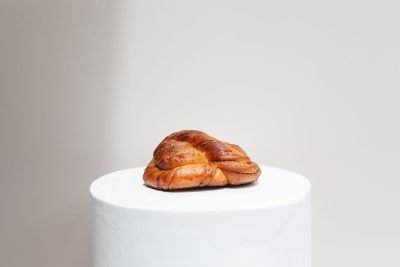
Pistachio Cardamom Buns
- Video
- Vegetarian

Everyday Rye Loaf
- Vegan

No-Yeast Soda Bread
- Under an hour
- Vegetarian